5 FAQs About Tooth Extractions
A can restore oral health when a tooth is beyond repair. Whether you or your child is the patient, it is normal to have questions about this procedure. Learning the answers to five of the most frequently asked questions can help you feel more confident ahead of the procedure and support a smooth recovery afterward.
Why would a tooth need to be pulled?
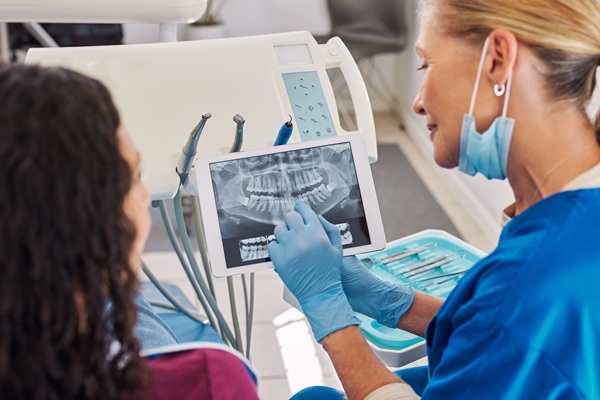
A general or family dentist may recommend tooth extraction when decay, infection, crowding, or trauma compromises a tooth beyond repair. They will consider more conservative options first, such as dental fillings, crowns, or root canal therapy. However, when those treatments cannot restore function or protect oral health, removing the tooth prevents ongoing pain and reduces the risk of infection. A dental exam and X-rays determine whether a tooth extraction is necessary for long-term health and comfort.
What happens during a tooth extraction?
It depends on what type of tooth extraction the patient needs: simple or surgical. Simple tooth extractions are effective for removing visible teeth above the gums. To pull these teeth, the dentist will use gentle pressure to loosen the tooth from the socket. However, for teeth that are severely damaged or stuck beneath the gums (impacted), surgical extraction is necessary. To perform this procedure, the dentist makes small incisions in the gums and breaks up the tooth into smaller pieces for easy removal.
During either type of tooth extraction, patients may feel pressure but not sharp pain. The general or family dentist will use local anesthesia to numb the area. Patients can also ask about other pain management techniques.
What is the recovery like?
The first 24 hours are the most important immediately after a tooth extraction. Patients should bite on gauze to control bleeding, keep the head elevated, and limit strenuous activity. It is also recommended to apply a cold compress in 10-minute intervals to reduce swelling. After the numbness resolves, start prescribed or over-the-counter medicine as directed.
After a tooth extraction, avoid smoking, spitting, and drinking through straws for at least 24 to 48 hours. Make sure to choose soft, cool foods, and brush gently while keeping the site clean. These steps protect the blood clot, which is the body’s natural dressing. Most patients return to normal routines within a few days, although full healing of the extraction site takes several weeks.
What is dry socket?
After a tooth extraction, a blood clot forms over the socket as the first step in healing. If this clot breaks down or dislodges, a condition called dry socket can develop, exposing bone and causing significant throbbing pain. Contact the dental office promptly if severe pain, a bad taste or odor, or increasing swelling occurs.
When to consider tooth replacement
Replacing an extracted tooth maintains chewing efficiency, speech, and facial support. A general or family dentist may recommend the following tooth replacements:
- Dental implants. Replaces the root and the crown, helping preserve bone where the tooth extraction occurred.
- Bridges. Anchors an artificial tooth to neighboring teeth.
- Partial dentures. A removable solution for when several teeth are missing.
The dentist will review each patient's goals, budget, and health factors to outline a personalized treatment timeline for the replacement process.
Your next steps
Sometimes, a tooth extraction is the best way to preserve the rest of the smile. It can also stop pain from a damaged, impacted, or otherwise problematic tooth. Call our Temecula office for more information or to schedule an appointment.
Request an appointment here: https://www.friendlydentaltemecula.com or call Friendly Dental Center at (951) 225-4888 for an appointment in our Temecula office.
Check out what others are saying about our dental services on Yelp: .
Related Posts
An emergency dentist acts as a crucial ally when a dental abscess causes sudden, intense pain that prevents someone from sleeping, eating, or focusing on daily life. This condition involves more than a simple ache; it signals that an infection requires immediate professional care to prevent it from spreading to the jawbone or bloodstream. Quick…
When missing teeth affect your overall quality of life, implant supported dentures offer a solid, lasting fix to restore a healthy smile and clear speech. Modern dental care gives patients great choices for full-mouth restoration. However, few options match the strength and everyday ease of anchor-supported dentures. If you are tired of loose plates or…
A dental bridge provides a reliable way to replace missing teeth, but understanding the indicators of dental bridge failure helps patients protect their long-term oral health. This prosthetic appliance consists of custom artificial teeth suspended between two or more supporting dental crowns. While these restorations restore chewing functionality and visual balance, structural complications can arise…
During routine checkups, general dentists often take the time to explain the difference between plaque and tartar. Both involve bacterial growth, but at different stages. Plaque is a soft film that can be easily removed by brushing, while tartar is a hardened deposit that adheres to the enamel like cement. Knowing more about these substances…